Roof Experts installs tubular steel snow guards and snow retention systems on metal roofs across Ontario. We work with standing seam roofs (snap-lock and mechanical lock profiles), metal panels, corrugated metal, and commercial flat roofs throughout the Greater Toronto Area, including Toronto, Mississauga, Vaughan, Markham, Richmond Hill, Brampton, Oakville, Burlington, Barrie, and the Muskoka region. Free on-site assessment for residential and commercial projects in Ontario.

CONTACT PHONE +1 647 9977 084
OPEN HOURS
Mon - Sat 8:00 - 18:00
ADDRESS
1680 Sismet Rd, Mississauga, ON L4W 1R4
Snow Guards Installation in Ontario
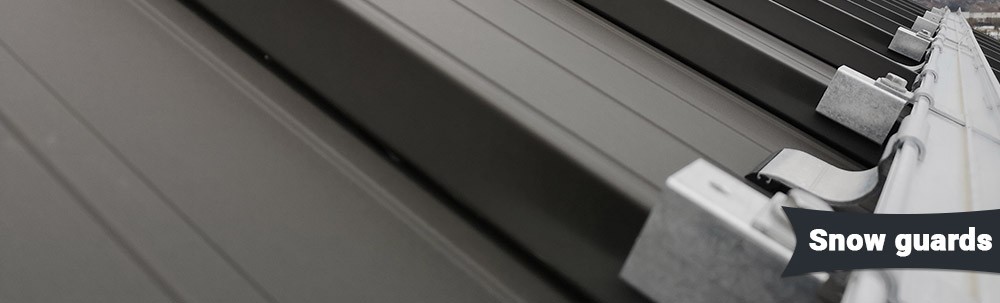
Why You Need Snow Guards in Ontario
Heavy snowfalls and freezing rain are common across Ontario between November and April. Snow loads in the Greater Toronto Area range from 1.4 to 2.0 kPa according to the National Building Code of Canada (NBC 2020), and increase to 3.0–4.0 kPa in the Muskoka and northern Ontario regions. On a typical residential roof, this translates to hundreds of kilograms of snow and ice accumulating on the surface during peak winter months.
When snow begins sliding off a metal roof, it can damage lower roofs, gutters, landscaping, vehicles parked below, and pose a safety risk to pedestrians and entry points. The smooth surface of standing seam and metal panel roofs accelerates this release compared to asphalt shingle systems, which makes snow retention especially important for metal roofing in Ontario. Read more about how to stop snow from sliding off a metal roof.
That is why structure owners are encouraged to install snow guards onto their metal roofs to prevent rooftop avalanche. A snow guard is also referred to as ice breaker, ice stop, ice rake, or sometimes as snow stop, snow block, or anti-snow barrier. When the melting mass goes down the snow fence, it breaks the snow in chunks, thus preventing it from crashing in one large swoop.
Metal guards are widely used in Canada, including Ontario province and Toronto. Snow rails vary in their material. Typically, snow guards are made of stainless steel, zinc-coated steel, copper or aluminum, but sometimes they come in polycarbonate and plastic. Roof Experts strongly recommend installing zinc-coated steel guards as they proved to be heavy-duty, durable and have reasonably price. Over time, plastic and polycarbonate snow guards will become breakable: they chip or fracture.
Aluminum snow guards are not heavy-duty and not able to keep big amount of snow. Stainless steel and copper roof safety systems are expensive and have a longer life span equal to or greater than the metal roof itself. There have been independent researches that proved that metal roofs last over 50 years longer than other roofing materials.
Many of our projects are installed on standing seam metal roofs, including snap-lock and mechanical lock profiles.
For detailed guides and snow safety resources, visit our dedicated website: Safe Roof Experts.
The best thing about snow guards from Roof Experts is that they work equally well for practically any kind of roof and its elements:
- shingle roofs
- slate roofs
- metal tile roofs
- classical and snap-lock standing seam metal roofs
- corrugated metal roofs
- straight rib panels roofs
- PVC or bitumen membrane roofs
How do snow guards work?
Snow guards control snow movement on the roof rather than blocking it completely. The system retains snow on the surface long enough for it to release gradually in smaller volumes, instead of falling as a single uncontrolled mass that damages property below.
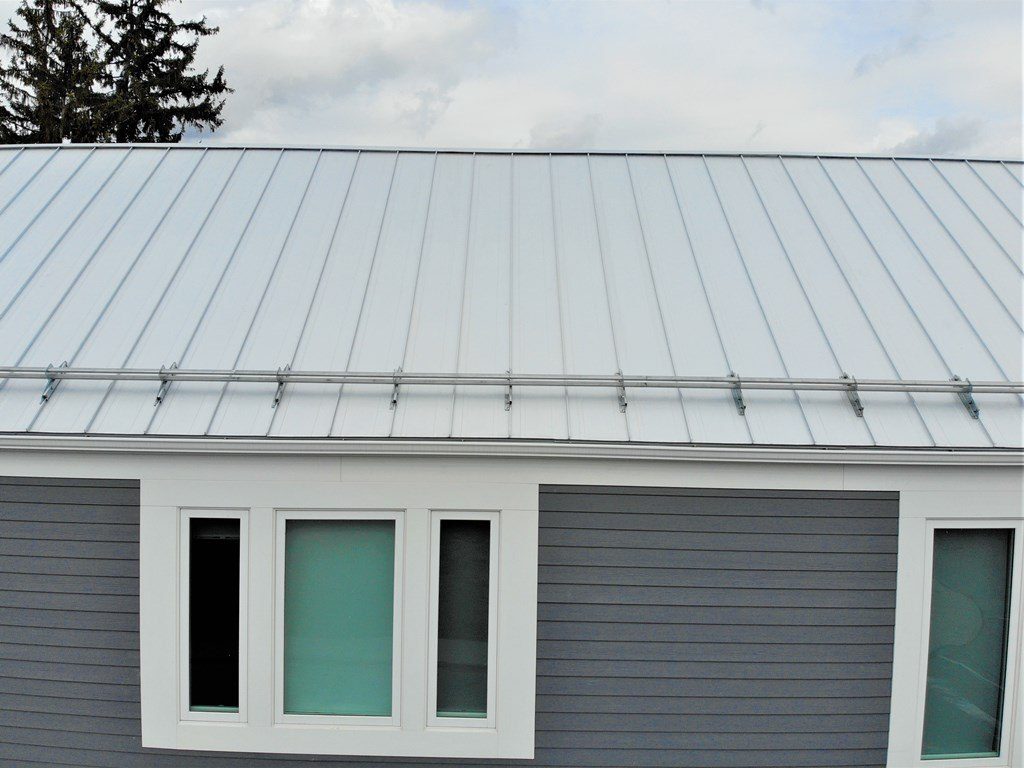
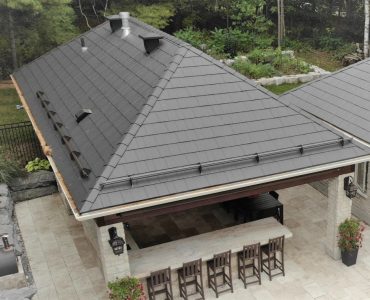
Several hundred years ago, builders in cold climates placed stones and logs on roofs to increase friction with the snow. Today's tubular snow guards work on the same principle in a more efficient form. The system uses horizontal steel pipes secured by brackets approximately every 600–900 mm along the roof, depending on snow zone, roof slope, and panel profile.
The tubes break accumulating snow into smaller manageable releases. Bracket spacing and the number of tube rows are calculated for each project based on roof length, slope, and the snow load for the specific region.
FAQ
Do snow guards stop all snow from moving?
No. Snow guards are designed to retain and control snow movement, not eliminate all motion under every condition.
How do I know how many snow guards I need?
The layout depends on roof slope, length, profile, local snow load, and the location of vulnerable areas below the roof edge.
Pros and Cons of Various Types of Snow Guards
If you consider enhancing the roof safety, you will want to wrap your head around the difference between numerous kinds of snow stoppers. Let us have a closer look at the most popular ones: metal and plastic snow holders.
The roofing market offers numerous solutions for the protection from heavy snows. The difference is based on the properties of the holder material. The metal ones are the most expensive devices as they are not subject to corrosion, ideally suit any type of roof. Moreover, the service life of stainless steel or copper snow guards is comparable to the service life of a metal roof, i.e. over 50 years.
Stainless steel snow guards
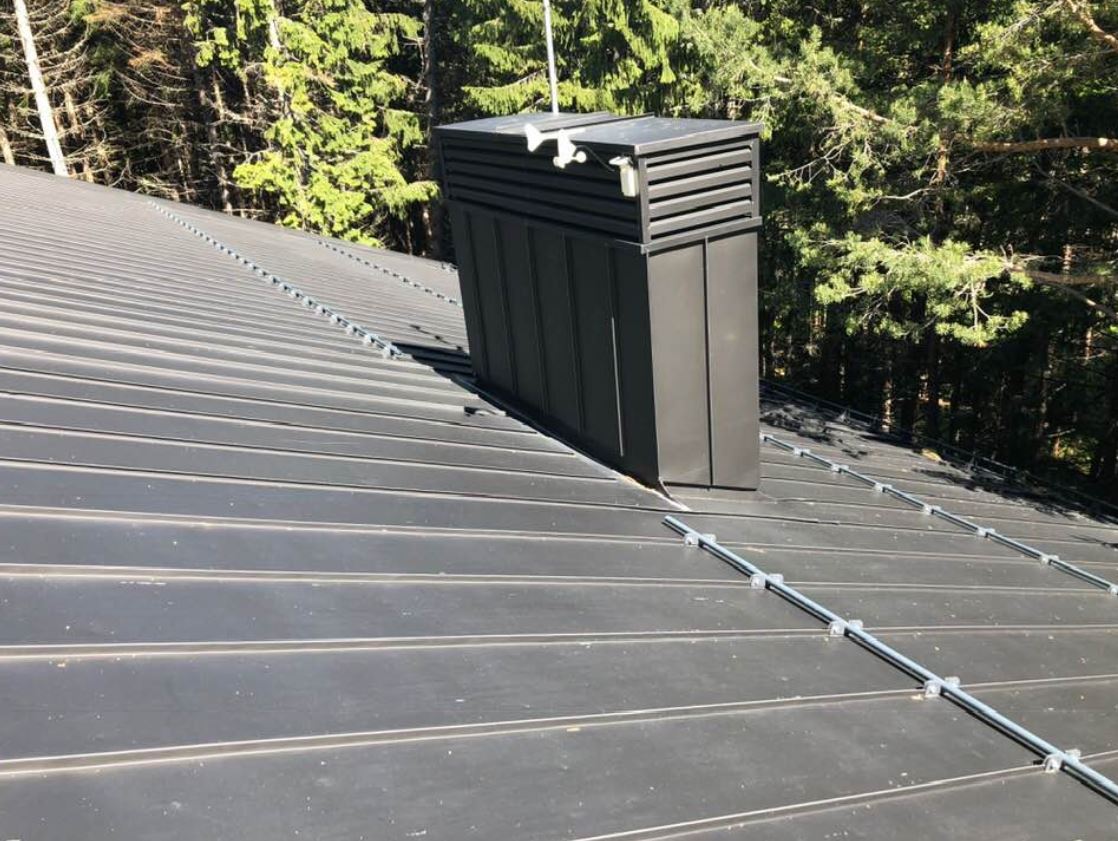
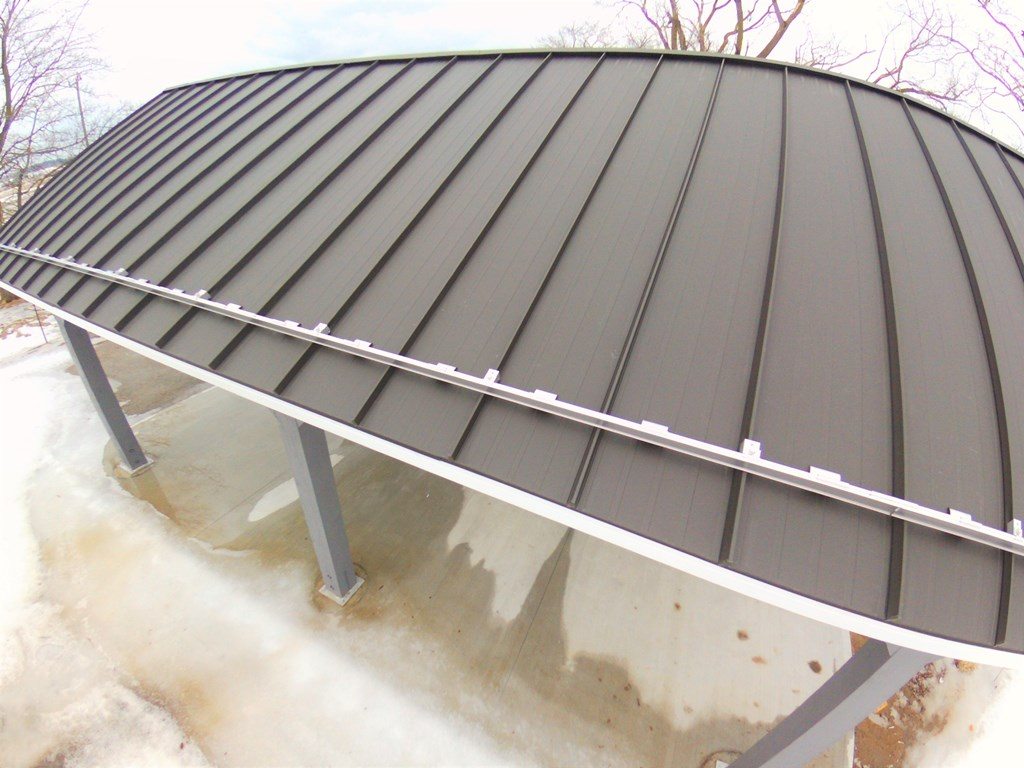
Steel snow guards
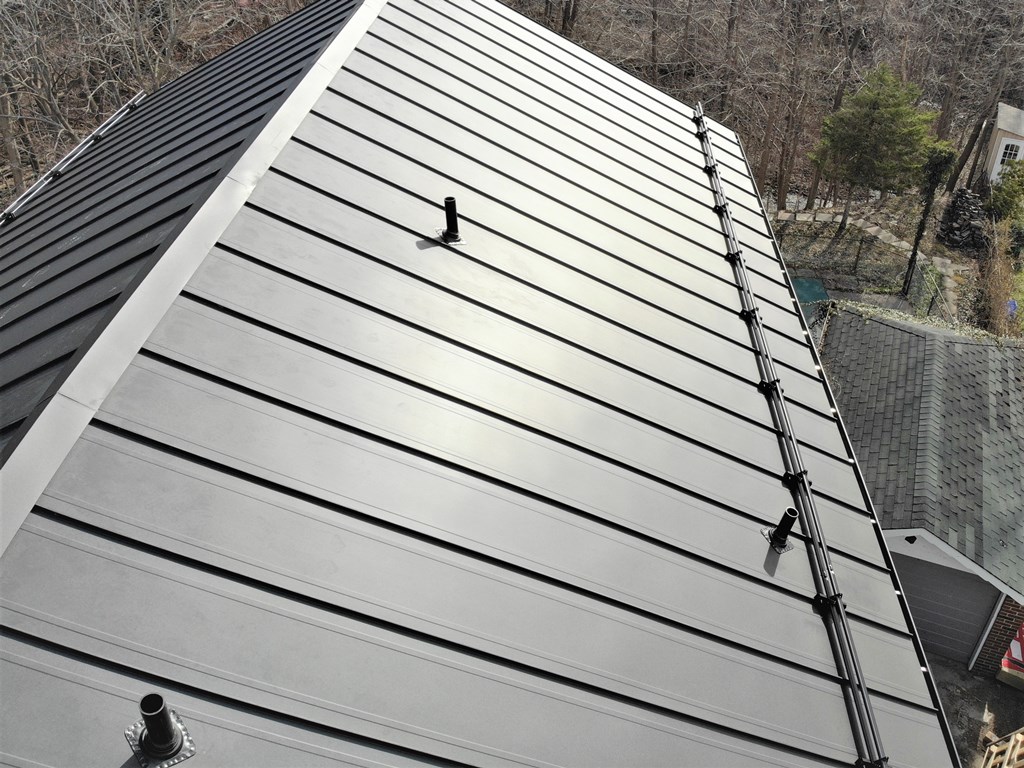
Copper snow guards
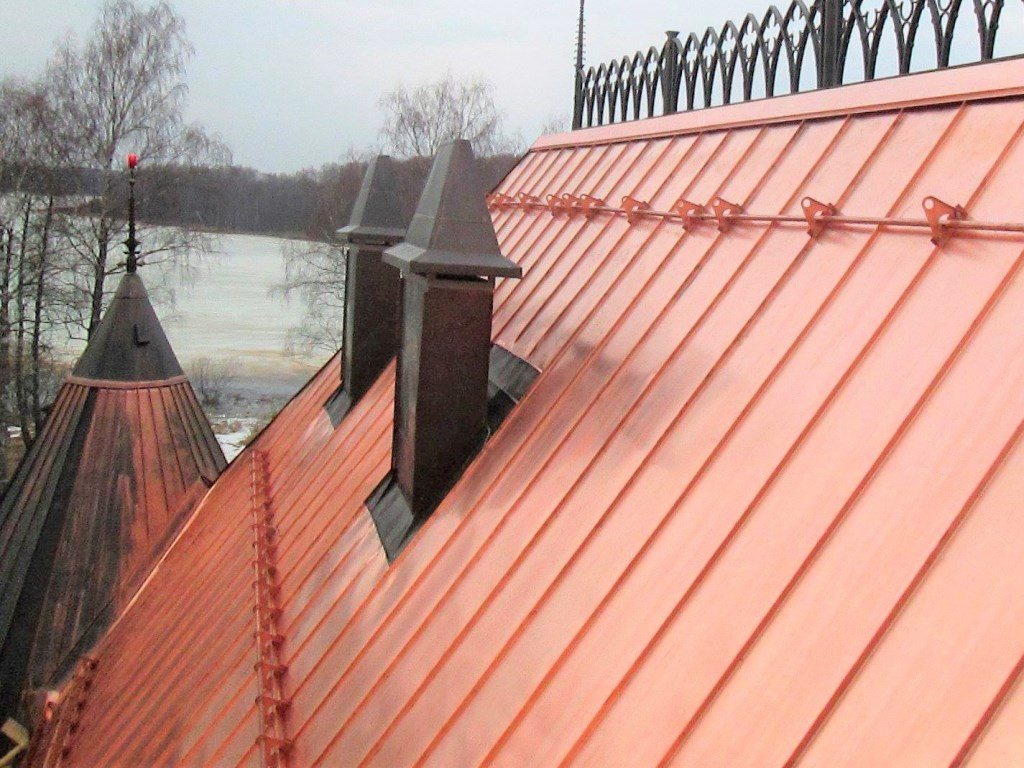
Polycarbonate / plastic snow guards
| Type of devices | Price | Durability | Life span |
|---|---|---|---|
| Stainless steel snow guards | High | Heavy-duty durability | Lifetime |
| Aluminum snow guards | Fair | Practical solution for the roofs | Over 50 years |
| Steel snow guards | Fair | Practical solution for heavy snow load. | Over 50 years |
| Copper snow guards | High | Extremely durable as well as exceedingly costly. It is advised to use this kind of snow guards on the copper roofs. It guarantees the uniformity of style and metal safety | Lifetime |
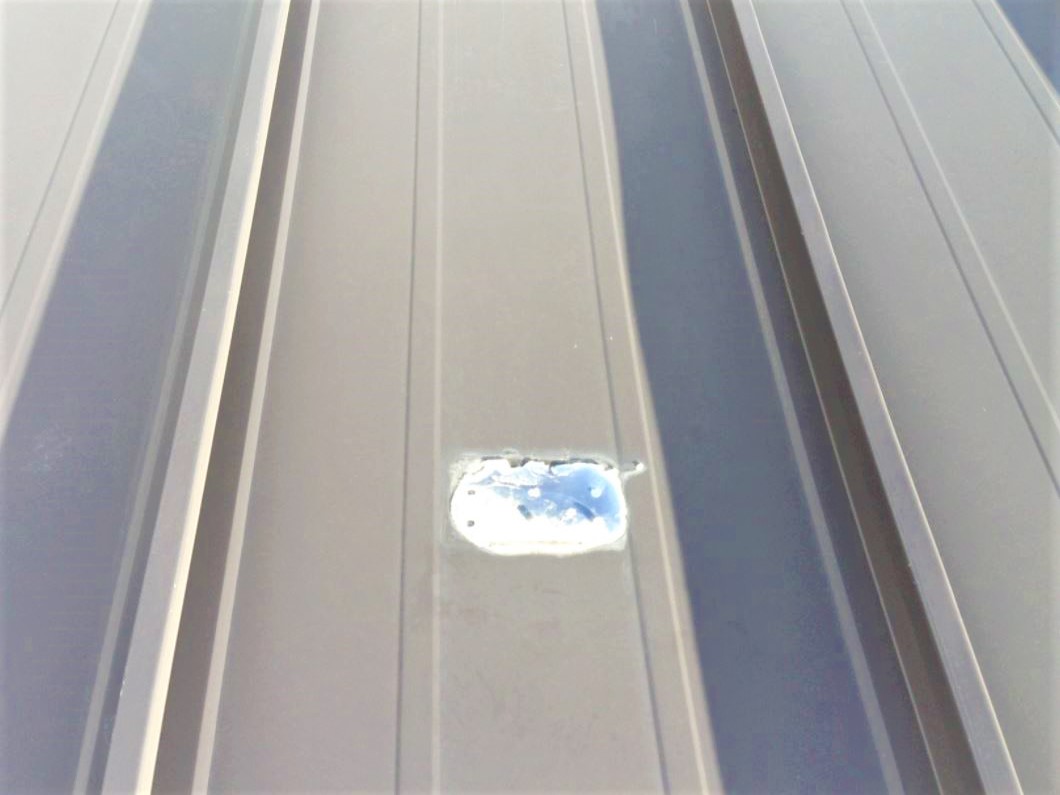
| Polycarbonate / plastic snow guards | Low | Cheap and not reliable. We have seen many clients asking to swap them for the metal ones. | A few years |
To sum up it appears that the best balance between cost and quality is reached with the tubular steel snow guards. Unfortunately, they do not fit all types of standing seam metal profiles. For this reason, in certain seldom cases listed above some roof profiles require using aluminum or copper system snow stoppers. Keep in mind that this is always a more expensive solution.
There are different types of snow guards
Snow guards for metal roofs
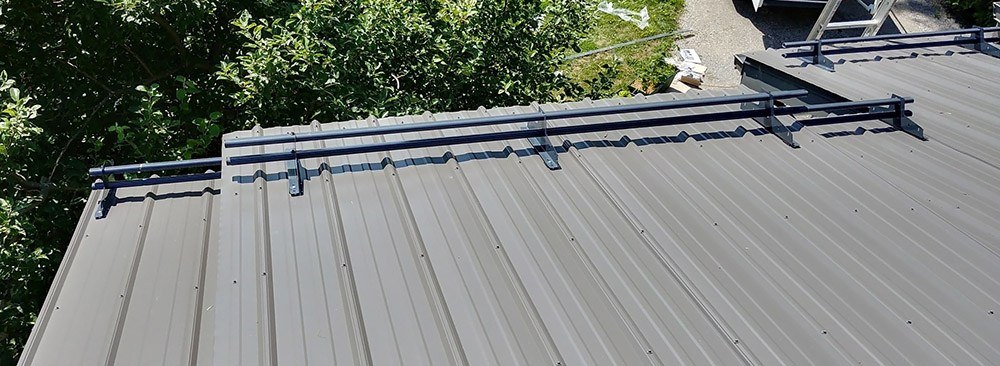
Snow guards for metal tiles panels and straight rib panels connected by special screws to the metal roof base.
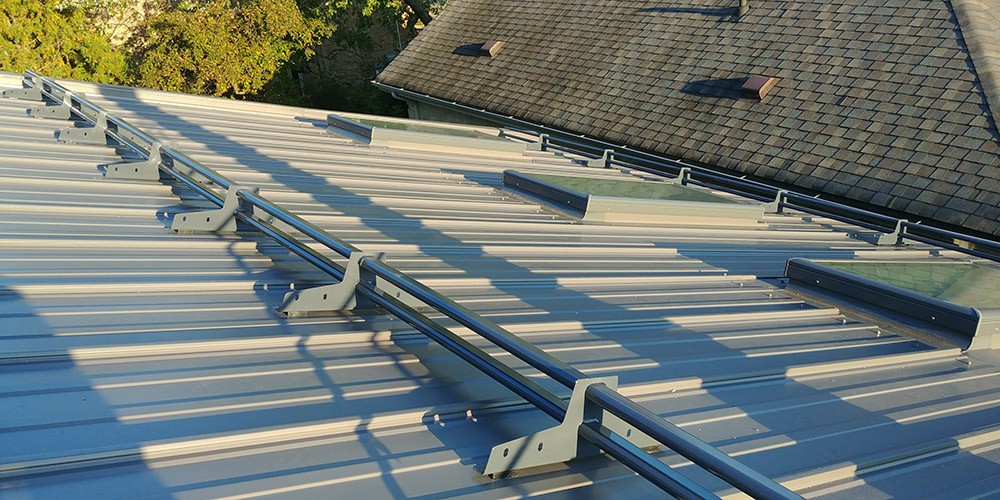
Snow guards for Snap lock standing seam roofs
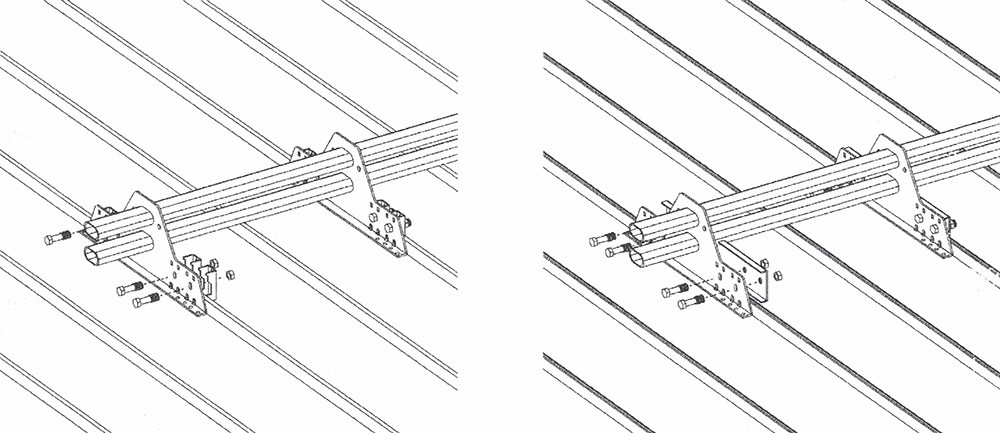
Snow guards for snap lock standing seam roofs connected by brackets to the ribs of panels (see the left picture below).
Snow guards for mechanical lock standing seam roof panels
Snow guards for classical or mechanical standing seam roofs connected by brackets to the seamed ribs of the metal panels.
How many snow guards do I need?
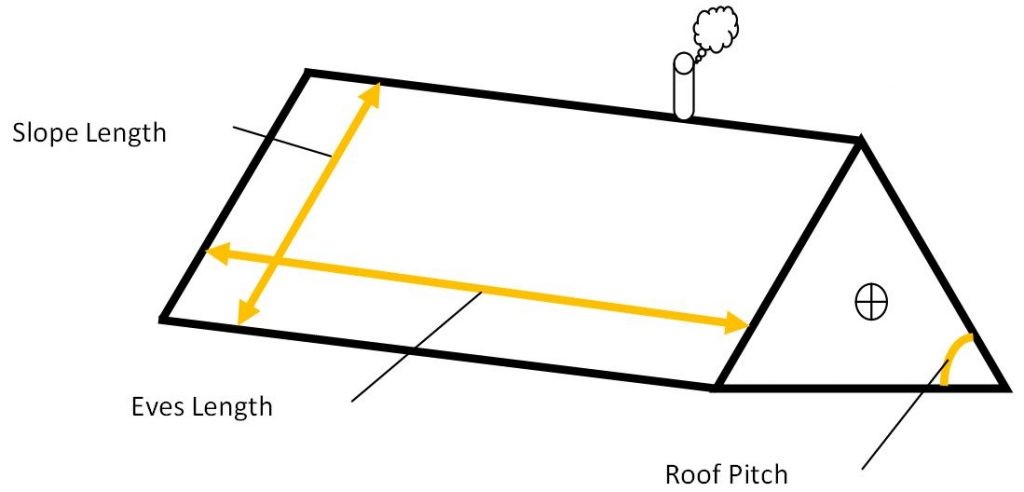
Depending on the region climate (amount of snow), length, width and pitch of slope, we determine the quantity of the snow guards required to retain snow on the roof. So you better either know these numbers or our crew will make the measurements on site.
Roof snow load chart

Snow guards video
Please check out a video from our snow guard projects.
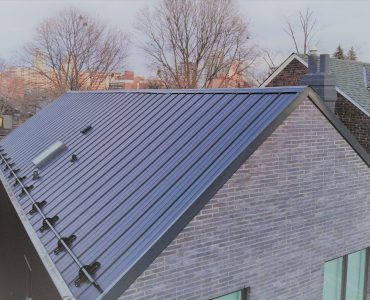
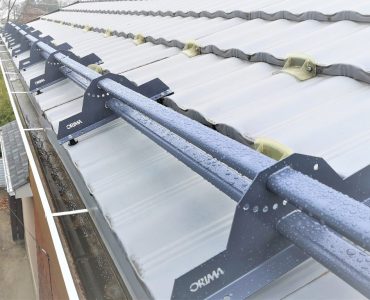
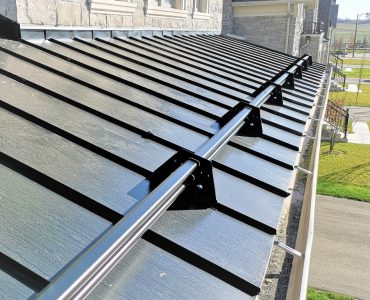
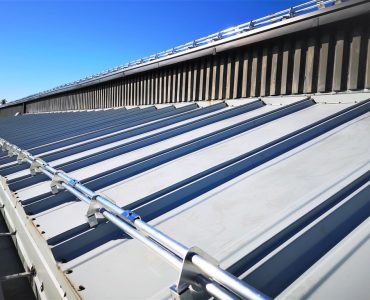
Snow guards projects
Estimate snow guards
To estimate the cost of snow guards please fill in the form below.